There was a time — not that long ago — when “wine mom” was a personality. Mugs printed with “Mommy’s Sippy Cup.” Playdate invitations that came with a wink about popping a bottle once the kids were asleep. The message was clear: parenting is hard, you deserve a drink, and anyone who says otherwise is probably not fun at parties.
That narrative is collapsing. Quietly, steadily, and in living rooms across the country, a growing number of parents are putting down the wine glass and discovering something surprising: parenting sober isn’t deprivation. It’s a competitive advantage.
Welcome to the sober parent movement. It’s not about judgment or perfection. It’s about asking a simple question: what if being present feels better than being buzzed?
The End of “Mommy Wine Culture”
“Mommy wine culture” was the mass-market packaging of a simple idea: alcohol is the solution to parenting stress. It was sold through Etsy mugs, Instagram memes, and a thousand jokes about “it’s 5 o’clock somewhere.”
The problem, of course, is that it wasn’t a joke for everyone. What started as a glass of wine to take the edge off became two glasses. Then a bottle. Then a dependency that felt impossible to name because everyone around you was laughing about the same thing.
The backlash has been building for years. Books like Quit Like a Woman and This Naked Mind found massive audiences. Sober-curious influencers built followings in the millions. And parents — particularly mothers — started comparing notes and realizing: wait, I’m not the only one who feels worse, not better, after that nightly glass of wine. The movement isn’t anti-alcohol. It’s pro-clarity, pro-energy, pro-waking up on a Saturday morning without a dull headache while your five-year-old asks for pancakes.

More Present Parenting: The Core Benefit
Ask any parent who’s cut back or quit what the biggest change is, and they’ll give you some version of the same answer: “I’m actually here now.” Not physically — physically they were always there. But mentally. Emotionally.
The difference between sitting on the floor with your kid while your brain is foggy from last night’s wine versus sitting there with a clear head and genuine curiosity about the Lego castle they’re building. The bedtime story you actually remember reading. The meltdown you handle with patience instead of irritation because you’re not already depleted. The Saturday morning pancake ritual that becomes a core memory instead of a groggy obligation.
Alcohol steals presence. It borrows relaxation from tonight and charges it to tomorrow morning with interest. Parents who quit discover they’ve been operating at a deficit they didn’t even know they were running.
The Morning Math Changes Everything
Here’s something nobody tells you about parenting hungover: kids don’t care. They don’t care that you stayed up too late or had one glass too many. They wake up at 6:17 AM regardless, and they want breakfast with the same relentless energy they had yesterday.
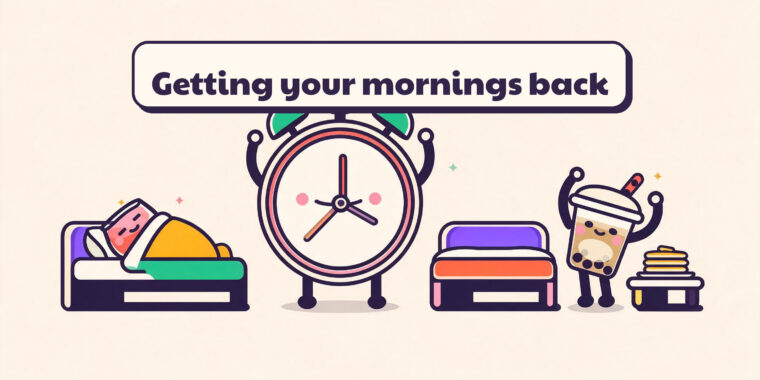
Sober parents get something back that drinking parents lose: mornings. Not just the hours — the quality of those hours. Waking up clear-headed. Having energy for the morning routine instead of surviving it. Actually enjoying the chaos instead of enduring it.
One sober dad described it: “I used to think I needed a drink to handle the chaos of dinner-bath-bedtime. Then I realized the drink was making the chaos harder to handle. I’d just forgotten what baseline felt like.” That’s the trap of regular drinking: it resets your baseline. You think you’re at 100%, but you’re at 80%. You don’t realize how much you’ve lost until you get it back.
Breaking the Cycle: Alcohol Doesn’t Help With Stress
This is the cruelest irony of parenting and alcohol. We drink because we’re stressed. But alcohol increases baseline stress. It disrupts sleep architecture, spikes cortisol, and leaves you less emotionally regulated the next day — exactly when you need patience and presence the most.
It’s a self-perpetuating cycle: stressed → drink → poor sleep → more stressed → drink more. Parents who track their drinking notice this immediately. Monday: low stress, low drinking. Thursday: medium stress, medium drinking. Saturday: the wheels come off.
Soberya becomes invaluable here. Log your drinks, track your dry days, and watch the correlation between alcohol-free evenings and better mornings unfold in real time. The app doesn’t judge — it just shows you the numbers. For parents already managing enough guilt, that judgment-free approach matters.
Soberya for present parenting →

The Ripple Effect on Kids
Children absorb more than we think. They notice when a parent is checked out. They notice when Friday night means mom or dad becomes a slightly different person. They might not have the vocabulary, but they feel it.
Studies consistently show that children of parents who model healthy relationships with alcohol are significantly less likely to develop problematic drinking patterns themselves. Your decision to cut back isn’t just about your own health — it’s about the blueprint you’re handing your kids.
This doesn’t mean you need to be perfect. It means you get to be real. Letting your kids see you choose sparkling water at a barbecue or talk openly about why you’re doing Dry July — that’s more powerful than any lecture. You’re not teaching abstinence. You’re teaching intentionality.
How to Start Without Making It a Whole Thing
The beauty of this movement is that it doesn’t require a dramatic announcement. Start small. Try a dry week and see how it feels. Replace your evening wine ritual with something that actually helps you decompress — a walk, a book, an early bedtime. Notice how your mornings change. Notice how your patience changes.
Track it. This is the step most people skip, and it’s the one that makes everything stick. When you can see the data — dry days accumulating, calories avoided, money saved — it stops being about willpower and starts being about evidence. Soberya’s streak tracker turns this into something genuinely motivating. There’s a surprising dopamine hit in watching your dry day counter tick up.
The community is bigger than you think. Celebrities like Blake Lively and Tom Holland have spoken openly about cutting back. Non-alcoholic bottle shops are opening everywhere. The parents you’re worried will judge you? At least a few of them are secretly wondering the same thing. Be the one who goes first.