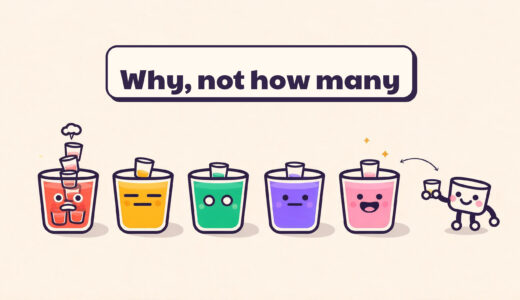
“Drink less.” Great advice. Also completely useless.
It’s the equivalent of telling someone who wants to get fit to “move more” or someone with credit card debt to “spend less.” Technically correct. Practically worthless. Because the question isn’t whether to drink less — it’s how, given your specific life, your specific triggers, and your specific relationship with alcohol.
A personalized drinking plan isn’t a set of generic rules someone handed you. It’s a system you design for yourself, based on your own data, that evolves as you do. Here’s how to build one.
Step 1: Audit Your Current Reality
Before you change anything, you need to know where you actually stand. Not where you think you stand — where the data says you stand.
Most people underestimate their drinking by 30–40%. It’s not dishonesty. It’s the fact that “a couple of drinks” on Tuesday, “wine with dinner” on Thursday, and “a night out” on Saturday don’t feel connected when you experience them. They’re just… life. But add them up and you might be looking at 15–20 units a week when you’d have guessed 10.
Spend two weeks logging every drink. Every single one. No judgment, no attempts to change — just pure observation. Note: what you drank, how much, when, where, with whom, and what mood you were in before and after.
You’ll almost certainly discover things that surprise you. The Thursday glass of wine that became three because of a stressful meeting. The “one beer” at the barbecue that was actually four. The Tuesday you didn’t drink at all and didn’t even notice.
Step 2: Define What “Better” Means for You
Here’s where most drinking advice goes wrong: it assumes everyone wants the same thing.
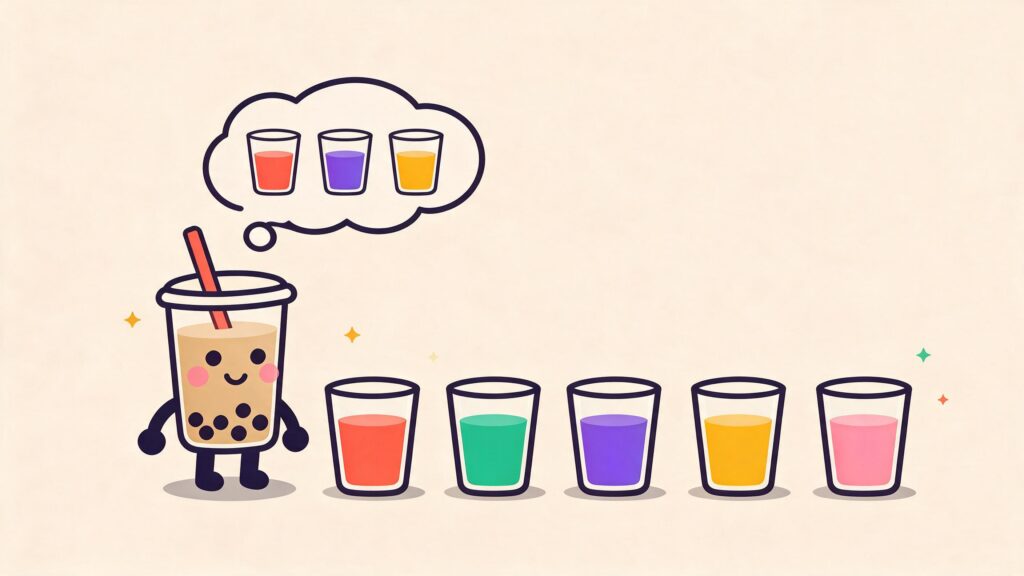
Some people want full sobriety. Some want to cut back to 4 drinks a week. Some want to stop drinking alone. Some want to eliminate hangovers. Some just want to stop the 2am kebab runs.
None of these goals is more legitimate than the others. The only question is: what does “drinking better” look like for you?
Be specific. “Drink less” is a direction, not a destination. “No more than 10 units per week, with at least 3 alcohol-free days” is a destination. “Stop drinking when I’m stressed alone at home” is a destination. “Only drink socially, and max 3 per occasion” is a destination.
Write it down. If it’s not written down, it’s not a plan — it’s a wish.
Step 3: Create Rules That Fit Your Life
Generic rules fail because they ignore context. “Don’t drink on weekdays” is a great rule — unless your social life revolves around Wednesday trivia night. “Only drink with meals” works brilliantly — unless you’re someone who skips dinner.
Your rules need to fit the shape of your actual life. Here are some frameworks people have used successfully:
- The weekday lockout: No drinking Sunday through Thursday. Friday and Saturday are fair game (with limits).
- The occasion filter: Only drink when there’s a genuine social occasion. Tuesday Netflix is not an occasion.
- The per-occasion cap: Never more than 2 drinks in any single session, period.
- The replacement rule: Before pouring a drink, you must drink a full glass of water first. Every time.
- The time cutoff: No drinks after 9pm. The late-night pour is almost always the one you regret.
- The solo rule: No drinking when you’re alone. This one’s surprisingly effective.
Pick 2–3 rules that make sense for your life. Don’t try to implement all of them. The goal is sustainability, not heroism.
Step 4: Track, Review, Adjust
The plan you write on day one won’t be the plan that works on day thirty. That’s not failure — that’s learning.
Use an app like Soberya to log your drinks, set your weekly targets, and actually see whether you’re hitting them. The beauty of digital tracking is that it removes the guesswork. You don’t have to wonder if you’re doing better — the data tells you.
After two weeks, look at the data and ask yourself:
- Which rules did I actually follow?
- Which ones did I break, and why?
- Was the “why” something I should adjust the rule for, or something I should address differently?
- Am I enjoying drinking more or less than before?
Then tweak. Maybe the weekday lockout was too aggressive and you need one flexible day. Maybe the per-occasion cap worked so well you want to lower it further. Maybe you discovered that you don’t actually miss the drinks you cut — in which case, congratulations, you’ve just freed up mental real estate.
This isn’t a one-and-done exercise. It’s a continuous feedback loop. For a deeper dive into building intentional habits around alcohol, see our guide to mindful drinking.
Step 5: Plan for the Hard Days
Every plan works on easy days. The test is Tuesday at 7pm after a brutal day at work, or Friday when your friends are ordering another round and you’ve already hit your limit.
Decide in advance what you’ll do when the plan gets hard. This is called an “implementation intention,” and it dramatically increases follow-through. The format is: “If [situation], then I’ll [specific action].”
Examples:
- “If I want a drink after a stressful workday, then I’ll go for a 20-minute walk first.”
- “If friends pressure me to have another, then I’ll order a soda water with lime and say I’m pacing myself.”
- “If I break a rule, then I’ll log it honestly and review tomorrow — not use it as an excuse to abandon the whole plan.”
The last one is crucial. One broken rule is a data point. It doesn’t erase the previous two weeks of success. Perfectionism kills more drinking plans than alcohol ever could.

Why Generic Advice Fails
“Drink less” fails because it doesn’t account for why you drink in the first place. You might drink to celebrate, to commiserate, to socialize, to unwind, to fall asleep, to feel confident, to deal with boredom. A one-size-fits-all plan treats all of these the same way — and they’re not the same.
A personalized plan acknowledges that your Thursday stress-drink and your Saturday celebration-drink serve completely different functions and need different strategies. It’s the difference between treating the symptom and treating the cause.
The Tool That Makes It Work
You can build a drinking plan in a notebook. But notebooks don’t send reminders, don’t calculate your weekly totals, don’t show you trend lines, and don’t celebrate when you hit a milestone.
Soberya is built for exactly this: creating a personalized drinking plan, tracking every drink against your targets, and seeing your progress in real time. You set the rules. The app helps you stick to them. No lectures, no judgment, no one-size-fits-all advice — just your data, your goals, your plan.