There are two types of mornings.
Type A: You wake up before the alarm. You feel rested. You drink water because you want to, not because your mouth feels like the Sahara. You might even do something productive before 8am. You feel vaguely superior.
Type B: You wake up to your third snooze. Your head hurts. Your mouth is dry. You piece together fragments of last night like a detective working a cold case. You promise yourself you’ll “never drink again.” You’ll be drinking again by Friday.
Most people oscillate between these two states for years, never connecting the obvious dots: the quality of your morning is almost entirely determined by what you did the night before. And usually, what you did the night before involved alcohol.
The Domino Effect of an Evening Drink
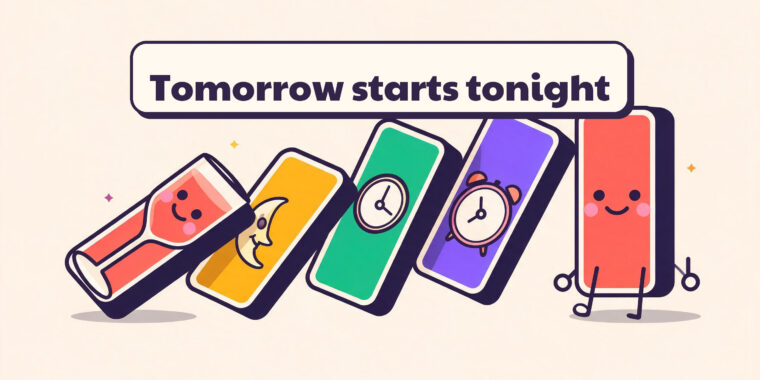
Let’s trace what happens when you have “just a couple” on a Tuesday night:
8pm: First glass of wine. Feels nice. You deserve this.
9pm: Second glass. Conversation flows. You’re funny tonight.
10pm: Third glass. Who’s counting? You’re in bed, technically. But alcohol-induced sleep is not real sleep. Your body temperature rises. Your REM sleep is suppressed. You’ll be in bed for 8 hours but get maybe 5 hours of actual restorative rest.
2am: Wake up. Heart racing slightly. Dehydrated. Bathroom trip. Check phone. 2:17am. Hate yourself briefly.
6:30am: Alarm. Snooze.
7:00am: Alarm again. Snooze again.
7:30am: Drag yourself out of bed. Skip the gym. Skip breakfast. Coffee is now a medical necessity, not a pleasure. You’re running late. You feel foggy until 11am.
This is not a “fun night out.” This is a Tuesday. And you did this to yourself for no reason other than habit.

What Happens When You Remove the Variable
Now let’s run the same Tuesday without alcohol:
8pm: Herbal tea or sparkling water. Maybe you read a book. Maybe you watch an episode of something you’ll actually remember tomorrow.
10pm: You’re naturally getting sleepy. No alcohol needed to “wind down” — turns out your body knows how to do this on its own.
10:30pm: You fall asleep. Actually asleep. Your body goes through proper sleep cycles. REM happens. Your brain processes the day. Your body repairs itself.
5:30am: Wake up before the alarm. Not because you’re a “morning person” — because you got 7 hours of actual sleep instead of 5 hours of alcohol-induced unconsciousness.
6:00am: Gym? Run? Journal? Sit in silence and enjoy the fact that nothing hurts? All options are on the table.
7:30am: Showered, fed, caffeinated (for pleasure, not survival), and heading out the door feeling like you’ve already won the day.
This isn’t some biohacker fantasy. This is what happens when you stop sabotaging your sleep. The difference is so stark it’s almost offensive — like, “why did I spend years feeling terrible when the fix was this simple?”
Building the Morning Routine (Without Becoming Insufferable)
I’m not going to tell you to wake up at 4am, take an ice bath, and journal for 45 minutes. That’s not a morning routine — that’s a personality disorder.
A realistic, sustainable morning routine has three ingredients:
1. Something physical. Doesn’t have to be a gym session. A 15-minute walk. Ten minutes of stretching. Anything that tells your body “we’re awake now.” Movement breaks the sleep inertia faster than anything else.
2. Something mental. Read 10 pages. Listen to a podcast. Do a crossword. Something that engages your brain before the world starts demanding things from it. You get to use your brain for yourself before anyone else gets a turn.
3. Something intentional. Write down three things you want to get done today. Or one thing you’re grateful for. Or just sit and drink your coffee without looking at your phone. The point is to start the day with agency, not reactivity.
That’s it. Three things. Total time: 30–45 minutes. Not Instagram-worthy, but actually doable.
Why Tracking Matters (Even For Mornings)
Here’s where it gets meta. If you’re using Soberya to track your drinks, you’ll notice something interesting: your morning quality and your drinking data are mirror images.
When your weekly unit count is low, your mornings are good. When it creeps up, your mornings deteriorate. You can see it in the data. Day 1 of a dry streak: great morning. Day 1 after breaking a streak: terrible morning.
This feedback loop is powerful. It turns “I should probably drink less” from a vague intention into a concrete, observable pattern. You’re not depriving yourself of drinks — you’re protecting tomorrow morning’s version of you.
And here’s a feature worth mentioning: Soberya lets you set daily reminders and check-ins. A gentle nudge in the evening — “log your drinks” or “how’s your streak going?” — is sometimes all you need to make a different choice. Not because you’re being scolded, but because you’re being reminded of what you actually want.

The One-Week Challenge
Try this for one week:
- No alcohol Sunday through Thursday (weekend is yours, no judgment)
- Track every drink in Soberya
- Set a consistent wake-up time — even on days you don’t have to
- Do your three-move morning routine every day
- At the end of the week, compare: how do you feel vs. a “normal” week?
I’ve seen people do this and genuinely not recognize themselves by Friday. Better sleep, clearer thinking, more patience, less anxiety. All from changing one variable.
And the best part? You don’t have to keep doing it perfectly. Even knowing what’s possible — knowing what your baseline feels like — changes how you approach every drink going forward.
The Bottom Line
You can’t have great mornings and heavy drinking nights in the same life. They’re incompatible. Pick one.
If you want help making the choice stick, Soberya keeps you honest — not by guilt-tripping you, but by showing you what you’re trading.
Tomorrow morning’s version of you is counting on tonight’s version of you. Don’t let them down. They’ve got things to do.